2200W Electric Jack Hammer Power: What It’s Built to Do
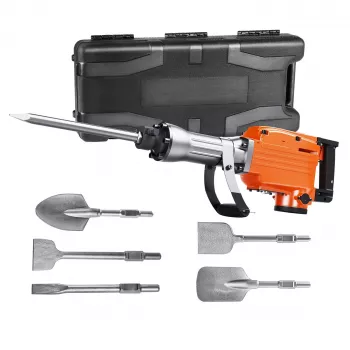
A 2200W-class electric jack hammer is designed for jobs where hand tools stall out and lighter hammers feel underpowered. With the right chisel, you can break concrete into manageable pieces, chip masonry for repairs, and strip surface materials like tile and thinset in a controlled way. The biggest advantage of a kit that includes multiple chisels is speed: you can start fractures, expand breaks, and clear surfaces without stopping to hunt down specialty bits.
What This 2200W Electric Jack Hammer Is Built to Do
- Concrete and slab breaking for small demolition projects and repairs
- Chipping channels in masonry for conduit, plumbing, or patch prep
- Removing tile, thinset, and stubborn mortar beds (with the right chisel)
- Breaking up compacted material where a rotary hammer is underpowered
- Best use cases: home renovation, light construction, and site cleanup where electric power is available
For thick, brittle materials (old concrete, mortar beds, dense masonry), consistent impact energy matters more than “brute forcing” the bit. The goal is repeatable cracking and shearing so you can predict where material will release.
Key Components in a Jack Hammer Kit with Chisels
- Motor and impact mechanism: higher wattage generally supports sustained demolition under load, especially when you’re working in longer sessions.
- Tool holder/chuck: determines which shank type and chisel styles fit securely. A secure fit reduces binding and wasted energy.
- Chisel set variety: multiple tip shapes reduce the need to buy specialty bits immediately and helps match technique to material.
- Handles and grip points: stability matters as much as raw power for cleaner breaks and less fatigue.
- Carrying/storage: helps protect the tool and bits, and keeps dust and grease from spreading to other tools.
Chisel Types and When to Use Each One
Bit choice is the difference between fast progress and a tool that feels “stuck.” A practical approach is to start narrow to create a failure point, then switch wider once the material is already loosening.
- Point chisel: concentrates force into a small area to start cracks and break thick concrete.
- Flat chisel: general-purpose chipping, edge work, and breaking along a line.
- Wide chisel/spade: faster material removal for tile, thinset, and surface scaling.
- Gouging/channeling chisel: carving grooves in masonry for routing.
- Match chisel width to the work: narrow tips for controlled fractures; wide tips for speed once material is loosened.
- Replace or regrind when edges mushroom or deform: damaged tips can bind and transmit extra vibration.
Common Chisel Shapes and Best-Fit Jobs
| Chisel shape |
Best for |
Typical technique |
Watch-outs |
| Point |
Starting cracks in thick concrete, targeted break points |
Work a grid of points, then connect fractures |
Can dig deep quickly; avoid near embedded utilities |
| Flat |
General chipping, trimming edges, breaking lines |
Angle the bit and let the tool “walk” forward |
Avoid prying—use impact, not leverage |
| Wide/Spade |
Tile/thinset removal, surface scaling |
Low angle; sweep under material in passes |
More likely to skid—control stance and pressure |
| Gouge/Channel |
Grooves for conduit or patch prep |
Multiple shallow passes instead of one deep cut |
Overheats edges if forced; keep steady pace |
Practical Setup: Power, Work Area, and Materials
- Confirm power source and extension cord rating: use a heavy-gauge cord suitable for high-draw tools and keep runs short when possible to reduce voltage drop.
- Mark the demolition zone: check for hidden hazards such as rebar, pipes, and electrical runs before impact begins.
- Control dust: wet methods where appropriate, HEPA vacuuming, and local containment help keep cleanup manageable.
- Stabilize the work: support slabs where possible and remove loose debris frequently to prevent bit binding.
- Plan the break pattern: edges and existing cracks often reduce effort—use them as “weak lines.”
How to Operate for Faster Breaks and Less Fatigue
- Let the tool do the work: steady downward pressure beats forcing the bit. Too much force can cause binding and slower progress.
- Use angles strategically: a slight angle helps material shear instead of only compressing, especially when chipping along a line.
- Work in sections: break into manageable chunks so you can move rubble out and keep the bit seated cleanly.
- Rotate positions: change stance and grip periodically to reduce hand-arm fatigue during longer sessions.
- Switch chisels mid-job: point to start, flat to expand, wide to clear surfaces once material is lifting.
Safety Essentials for Electric Demolition Tools
For general guidance on safe use of powered tools, reference OSHA — Hand and Power Tools (General Requirements). For vibration exposure and long-session practices, see NIOSH — Preventing Hand-Arm Vibration Syndrome.
Maintenance and Storage to Keep Performance Consistent
When a 2200W Jack Hammer Makes Sense (and When It Doesn’t)
Product Options Available Now
FAQ
Which chisel should be used to start breaking a concrete slab?
Use a point chisel to concentrate force and initiate cracks. Once the slab starts to fracture, switch to a flat chisel to widen the break and guide it along the line you want.
Can a demolition hammer remove tile and thinset?
Yes. A wide/spade chisel used at a low angle is typically fastest for tile and thinset removal; work in controlled passes and avoid driving the edge into the subfloor.
How often should chisels be replaced or serviced?
Inspect them after each job. Replace or regrind when edges mushroom, the tip deforms, or the shank shows cracks, since damaged bits can bind and increase vibration.
Recommended for you











Leave a comment