
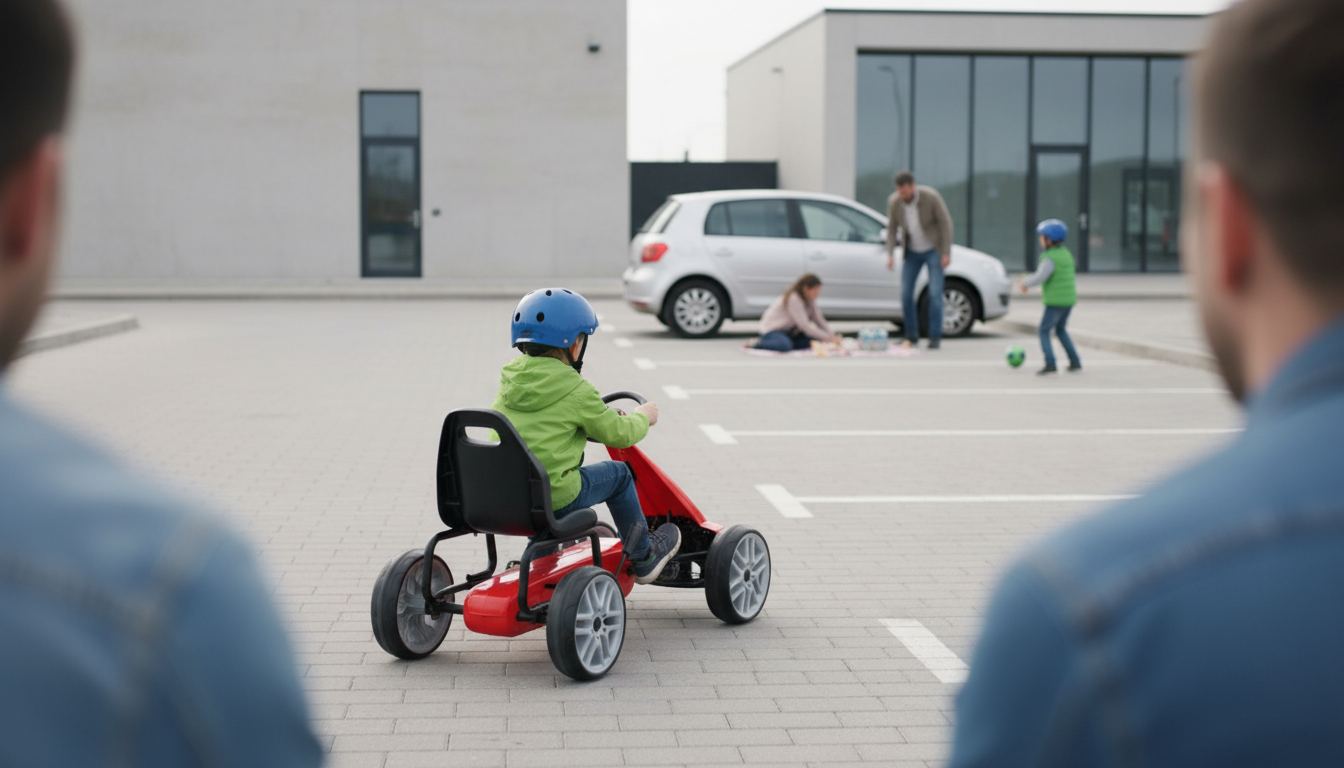
Pedal go-karts are a good choice for many families because they combine active play, kid-friendly control, and outdoor fun without batteries or fuel. Riders power them with their legs, which helps build coordination and leg strength while keeping speed more manageable than motorized options.
They also tend to be quieter, simpler to maintain, and easier to store. For neighborhoods, driveways, patios, and parks with smooth paths, a pedal kart can deliver a “real driving” feel—steering, braking, and sometimes even reverse—without the higher costs and added safety concerns that come with powered models.
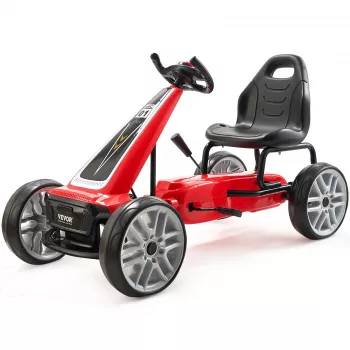
Pedal go-karts shine when the riding area is mostly flat and the child has room to turn safely. Many models have adjustable seats, allowing the kart to “grow” with the rider. Look for features like a handbrake, sturdy tires, and a stable wheelbase to help prevent tipping during sharp turns.
They’re also a smart pick for families who want screen-free play. Because kids have to pedal, they naturally take breaks, which can reduce fatigue-related crashes compared with continuously powered rides.
On steep hills, pedal go-karts can be hard work, and lighter riders may struggle to climb. Cheaper models may have plastic wheels that slip on rough pavement or wear quickly. It’s also important to confirm the kart’s max rider weight and recommended age range; an undersized kart is less comfortable and may handle poorly.
Match the kart to where it will be used most. For bumpy surfaces, prioritize larger, grippier tires and a solid frame. For shared use among siblings, adjustable seating is key. Before buying, measure storage space and consider how easy it is to carry or roll when not in use.
For a deeper breakdown of benefits, drawbacks, and what to look for, visit the full guide on pedal go-karts.
Many kids do well starting around ages 3–5 on smaller models, while larger karts fit ages 6–12+. Always follow the manufacturer’s height, weight, and age guidance for the specific kart.









Leave a comment